
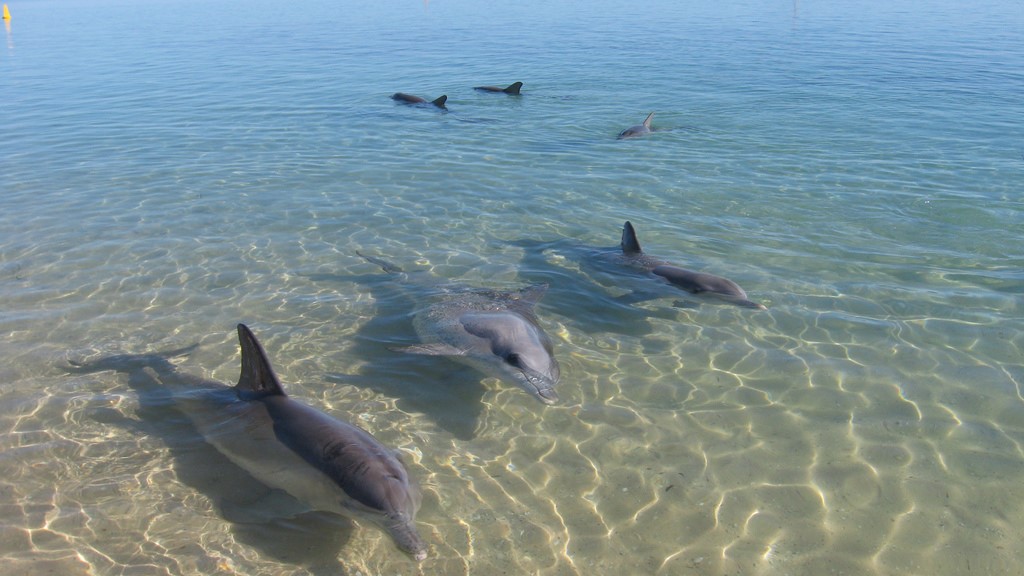
Nestled along the eastern shoreline of the Peron Peninsula in Western Australia lies a place of rare natural wonder: Monkey Mia. For decades, visitors have been drawn to this remote sanctuary for one reason — wild dolphins that come ashore, eager to interact. But as you soon discover, Monkey Mia is far more than a dolphin-spot-ting stop. It stands at the crossroads of dramatic landscapes, ancient cultures and rich marine life, all within the globally significant Shark Bay region. In this article, we’ll explore everything you need to know — from how to get there, what makes the place unique, how to experience the dolphins responsibly, and the surrounding adventures that complete the experience.
1. Where is Monkey Mia and how to get there
Monkey Mia is situated on the eastern side of the Peron Peninsula, approximately 27 km north-east of the small town of Denham in Western Australia. It lies within the vast Shark Bay World Heritage Area, a region recognised for its outstanding natural values.
If you’re based in Perth, you’re looking at quite a drive — some 8 to 9 hours (around 850 km) north along the Coral Coast Highway. Alternatively, you can fly into the nearby Monkey Mia Airport (also called Shark Bay Airport) and then drive the short remaining distance.
Good to know: The remoteness is part of the charm. You’ll leave behind the busier tourist hubs and arrive in a place where nature takes the lead.
2. Why Monkey Mia is famous: The dolphin experience
By far the big draw is the wild dolphins that visit the shallow bay. At Monkey Mia, for over 40 years, female bottlenose dolphins (Indo‑Pacific bottlenose dolphin) have swum close to shore almost daily, where they encounter human visitors.
What happens and how to participate
-
The feedings occur under supervision of park rangers from Department of Biodiversity, Conservation and Attractions (DBCA).
Generally the window is early in the morning — between about 7:45 am and midday, with the best time to arrive around 7:30-7:45 am.
-
Up to five mature female dolphins from two families are offered a small amount of fish, only for the first three visits of the day. This is to ensure they remain wild and continue to forage naturally.
-
There is no charge specifically for the dolphin interaction itself (though there may be entry fees to the reserve).
“Wild dolphins have been visiting the shoreline at Monkey Mia virtually every day for over 40 years.”
Why it's so special
This kind of reliable wild-dolphin encounter is rare. It’s not a marine park with dolphins in captivity, but wild animals that choose to visit. That authenticity creates a memorable experience. The setting — pristine beach, turquoise water, and a remote feel — adds to the magic.
Responsible tips
-
Arrive early (before 8 am) to secure a good spot and increase your chances of seeing the dolphins. Some days the dolphins might not come in as expected.
-
Follow the instructions of the rangers. They’ll guide you on distance, feeding rules and calf protocols.
-
Avoid disrupting the wildlife: if a mother and calf visit, swimming in the area may be discouraged to avoid stress to the animals.
3. The natural and cultural setting of the area
Monkey Mia doesn’t exist in isolation. The surrounding Shark Bay World Heritage Area offers a rich tapestry of landscapes, ecosystems and history.
Landscapes & ecology
-
You’ll find red iron-oxide coated sand dunes, white sandy beaches, crystal clear turquoise waters and a large marine park.
-
The adjacent Shark Bay Marine Park is a marine protected area that includes seagrass meadows, dugongs, turtles, rays and many other marine species.
-
More than 15,000 dugongs are believed to inhabit Shark Bay — making it among the most significant dugong populations globally.
-
The area is also rich in birdlife (230+ species recorded) and home to four turtle species.
Cultural heritage
-
The land is traditionally that of the Malgana People, and the bay is known to them as Gathaagudu (“two bays”).
-
Interpretive trails around Monkey Mia share the Aboriginal and European cultural history of the region.
The intertwining of nature and culture makes Monkey Mia more than a tourist spot — it’s a place where you feel the story of the land, sea and people.

4. Things to do at Monkey Mia (beyond the dolphins)
While the dolphin encounter is the headline act, there’s plenty more to explore in and around Monkey Mia. Here are some standout activities:
Walk the Wulyibidi Yaninyina Trail
This 1.5 km loop trail winds through sand dunes and along the beach around Monkey Mia, with interpretive signage explaining the natural and cultural heritage. It’s an enjoyable, relaxed stroll — perfect for taking in the coastal bush and views.
Kayaking / Snorkelling / Swimming
The shallow, calm waters of the bay are ideal for paddling, snorkelling and spotting marine life. The reef, rays, turtles and other creatures can be seen if you look carefully.
Cruises and wildlife watching
You can join a wildlife cruise departing from Monkey Mia to explore further into the bay and marine park. Highlights may include dugongs, turtles, rays, sea snakes and more.
Exploring the broader Shark Bay region
-
Visit Shell Beach: a beach made entirely of millions of tiny white cockle shells — a unique sight.
-
Head into Francois Peron National Park: where red sand dunes meet white beaches and turquoise seas — ideal for 4WD adventures.
-
Visit the stromatolites at Hamelin Pool: ancient microbial structures that date back billions of years.
Relax, watch sunrises/sunsets and stargaze
With minimal light pollution, the skies are clear and perfect for stargazing. Sitting by the beach at dusk or dawn is a serene way to soak up the environment.
5. Accommodation and Visitor Logistics
Where to stay
-
The main accommodation hub is the RAC Monkey Mia Dolphin Resort, located right on the beach within Monkey Mia.
-
There are also caravan/park sites, self-contained units and other options suited to different budgets and styles.
Entry & Visitor Fees
-
There is a park entry fee for visiting the Monkey Mia Reserve.
-
The dolphin interaction itself has no additional charge beyond entry.
Best time to visit
-
Dolphins visit the shore most reliably in the mornings. Arriving early gives you the best chance of participation.
-
The wildflower season (July-September) is especially beautiful in this part of WA, adding another layer of interest.
-
Because it’s remote, plan to stay at least 1-2 nights so you’re not rushed.
Travel tips
-
Driving: If you’re self-driving from Perth or elsewhere, factor in long distances, remote stretches and fewer services.
-
Packing: Sun protection is essential (UV levels are high). Also bring insect repellent (flies can be prolific in some seasons), and swim gear for the bay.
-
Respect wildlife: Follow rules, don’t feed wildlife outside of authorised programs, respect the habitat and leave no trace.
-
Be flexible: Nature may not always behave as scheduled — the dolphins might arrive later, or not exactly when expected.
6. Why Monkey Mia matters: Conservation and significance
Monkey Mia is not just a tourist attraction — it is a living laboratory and a showcase of conservation.
-
The dolphin feeding program is monitored carefully to ensure the animals remain wild and healthy, and human interaction is managed responsibly.
-
Shark Bay holds World Heritage listing because of its exceptional ecosystems. The region meets multiple criteria for outstanding universal value.
-
The presence of large dugong populations, turtle breeding grounds, seagrass ecosystems, and ancient stromatolites all contribute to its global significance.
Visiting with awareness helps support responsible tourism — this means learning about the environment, respecting the regulations, and supporting local conservation efforts.

7. What you’ll remember and why it’s worth the journey
When you arrive at Monkey Mia, it’s the immediacy of the experience that hits you: the clear turquoise shallows, the quiet beach, and then those elegant dolphins sliding into view. It’s rare to have wild marine mammals approach so closely with minimal human interference. Beyond that moment, what you remember is the setting — the contrast of the red dunes, white sands, the native flora and fauna, the stories of the Malgana people, and the vastness of the landscape.
The journey to get to such a remote place makes the reward even richer. It’s a break from the bustling tourist hubs, a chance to pause, sniff the salt air, listen to the breeze through acacia shrubs, and feel connected to a place that has its own rhythm.
8. Sample Itinerary: 2 Days at Monkey Mia & Shark Bay
Day 1
-
Arrive midday in Denham/Monkey Mia. Settle in at your accommodation and stroll along the beach.
-
Evening: Enjoy sunset by the water, possibly join a short tour or simply relax on the shore.
-
Dinner at the resort or local restaurant.
Day 2
-
Early morning (arrive ~7:30-8:00 am) for the dolphin interaction.
-
After the encounter, take time for a leisurely swim or snorkel in the bay.
-
Around midday: join a wildlife cruise or kayak out to explore further into Shark Bay.
-
Afternoon: Walk the Wulyibidi Yaninyina Trail or visit nearby vantage points.
-
Evening: Dinner, stargazing on the beach.
Optional Day 3 (if you stay longer)
-
Drive into Francois Peron National Park for dune and beach exploration.
-
Visit Shell Beach or Hamelin Pool stromatolites for a broader insight into the region’s uniqueness.
-
Return for a final evening at Monkey Mia.
Final thoughts
In a country full of remarkable nature, Monkey Mia still stands out. It is remote but accessible, wild yet visitor-friendly, simple yet profound. Whether you’re a wildlife enthusiast, a nature lover, a family with kids, or someone seeking an off-beat escape, this place offers a unique blend of experiences. The wild dolphins, the sweeping landscapes, the marine life and the cultural layers all add up to something enduring.
If you’re seeking a travel memory where you felt part of the natural world — not just an observer — then a visit to Monkey Mia might be exactly what you’re looking for.